

BIOXOROS Medical Laboratory – Neapoli
Karaoli Dimitriou 26, 41334 Larissa
Fasting, water, coffee, medication and the key points to know before your laboratory tests.
Not every laboratory test requires fasting. When a fasting test has been requested, follow the fasting interval provided by the laboratory or your treating clinician. Plain water is generally allowed.
Plain water is generally allowed and can help you stay hydrated for the blood draw unless you have been given different instructions.
When fasting is required, avoid coffee, tea, soft drinks, juice, milk and anything containing calories. Even black coffee can influence some measurements.
Do not stop or change prescribed medication on your own. Some tests are affected by medicines or supplements. Tell us what you take; if a change is necessary, it should be agreed with your treating clinician.
Select a category and open the test you need. If your referral or treating clinician gives different instructions, follow those instructions.
Fasting is not required for every lipid profile. If your doctor or the laboratory has requested a fasting sample, follow the stated fasting period and drink only water. Avoid unusually heavy alcohol intake before testing, especially when triglycerides are being measured.
If a fasting triglyceride measurement has been requested, follow the fasting instructions provided by the laboratory. Avoid alcohol before the test because it can substantially affect triglyceride concentrations.
For fasting glucose, do not consume calories for at least 8 hours; plain water is allowed. Follow the exact instructions on your referral if a glucose tolerance test has been ordered.
Fasting is not required. HbA1c may be unreliable in conditions that alter red-cell lifespan or haemoglobin; interpretation should therefore be made together with the clinical history.
Prefer a morning sample. If iron is being measured as part of an iron-status assessment, follow the laboratory instructions regarding fasting and iron-containing supplements. Do not stop prescribed treatment without medical advice.
Fasting is generally not essential. Ferritin can rise with inflammation or infection, so it should not be interpreted in isolation.
Avoid an unusually large meat meal and intense exercise immediately before testing when possible, as these can influence creatinine. Follow any fasting instruction given for a combined panel.
A fasting morning sample is commonly preferred. Inform the laboratory about vitamin supplements or medications; do not discontinue prescribed medication without medical advice.
A morning sample is often preferred when calcium is being assessed together with related bone/mineral markers. Follow any specific fasting instruction on your referral.
Follow the laboratory’s fasting instructions if bilirubin is part of a broader biochemical panel. Prolonged fasting itself can affect bilirubin in some people.
Avoid strenuous exercise and excessive alcohol before testing. If the tests are part of a fasting biochemical panel, follow the same fasting instructions.
This test requires careful pre-analytical handling. Contact the laboratory before coming so sampling and rapid processing can be coordinated correctly.
Avoid strenuous exercise immediately before sampling and rest before the blood draw. The laboratory may give additional instructions depending on the clinical question.
Usually measured with the lipid profile. Follow the same preparation instructions as those given for your lipid testing.
Tell the laboratory about vitamin supplements. Do not stop prescribed supplements or medication unless advised by your doctor.
A morning sample may be preferred. Tell the laboratory about mineral supplements and medicines because some may affect results; do not discontinue prescribed treatment on your own.
Fasting is usually not the main requirement. It is essential to report anticoagulant treatment and the time of the last dose when relevant. Never change anticoagulant medication without medical instruction.
Fasting is usually not required solely for thyroid tests. Tell the laboratory if you take biotin supplements because biotin can interfere with some immunoassays. Do not stop thyroid medication unless your treating clinician has given specific instructions.
Fasting insulin is usually collected after an overnight fast, often together with fasting glucose. Follow the exact instructions on your referral.
A morning sample is generally preferred. Try to arrive calmly and rest before sampling; stress, exercise and recent breast stimulation can influence prolactin.
ACTH has a strong daily rhythm and needs specific sample handling. Morning sampling is commonly requested; contact the laboratory if the referral specifies a particular time.
Cortisol varies markedly during the day. The requested collection time matters, so follow the time written on the referral or the laboratory instruction.
A morning sample may be requested and PTH is often assessed together with calcium, phosphate and vitamin D. Follow the preparation specified for the combined tests.
These tests are highly sensitive to posture, salt intake and several medicines. Contact the laboratory in advance. Any medication adjustment must be decided by the treating physician.
A single random GH measurement has limited value in many settings and dynamic testing may be required. Follow the exact protocol provided by your doctor/laboratory.
Fasting is usually required. Acid-suppressing medicines can affect gastrin, but any change to treatment must be agreed with the treating physician.
A morning fasting sample may be requested depending on the laboratory protocol. Inform the laboratory about medicines and supplements.
Timing may depend on the menstrual cycle and the clinical question. Follow the day/time indicated by your doctor.
Rest and avoidance of smoking, caffeine and strenuous activity before collection may be requested. Contact the laboratory for the exact protocol.
Wash the external genital area, then collect a clean mid-stream urine specimen in a sterile container, preferably before antibiotics when clinically appropriate. Deliver it promptly to the laboratory or follow the storage instructions provided.
Discard the first urine of the starting morning and record the time. Collect every subsequent urination for the full 24 hours, including the first urine at the same time the next morning. Keep the container as instructed by the laboratory. If any sample is missed, contact us because the collection may need to be repeated.
Diet, caffeine, smoking and several medicines can affect these measurements. Contact the laboratory before starting the collection for the exact preparation and preservative/container instructions. Do not stop medication without medical advice.
Use the collection container supplied or recommended by the laboratory and collect the entire 24-hour volume. Ask us in advance whether any special preservative or medication-related instruction applies.
Collection and interpretation depend on sodium intake and medication. Contact the laboratory before starting; medication changes are made only by the treating physician.
Follow the exact collection duration on your referral (spot or timed/24-hour collection). Tell the laboratory about calcium/vitamin D supplements and osteoporosis treatment; do not discontinue treatment without medical advice.
A complete sample should be collected by masturbation into a sterile, wide-mouth container after the abstinence period specified by the laboratory (commonly 2–7 days depending on the requested assessment). Avoid ordinary condoms and interrupted intercourse because sample loss or contaminants can affect the result. Record the collection time and whether the complete sample was collected. Deliver the sample as soon as possible, keeping it close to body temperature and following the laboratory’s transport instructions.
Karaoli Dimitriou 26, 41334 Larissa
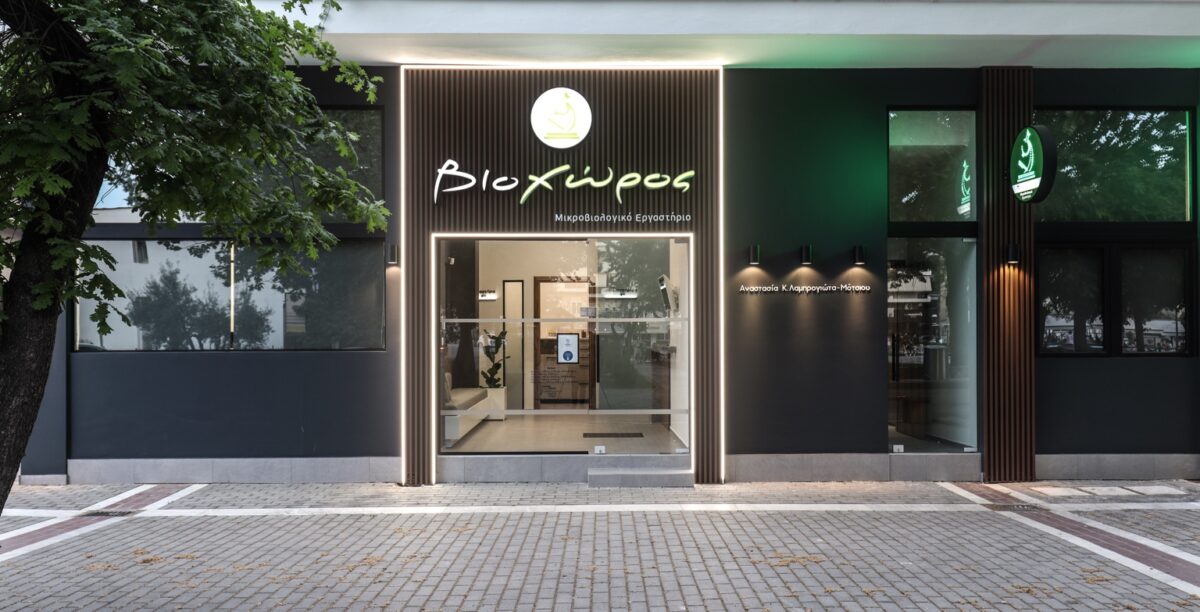
Ammochostou 2, 41335 Larissa
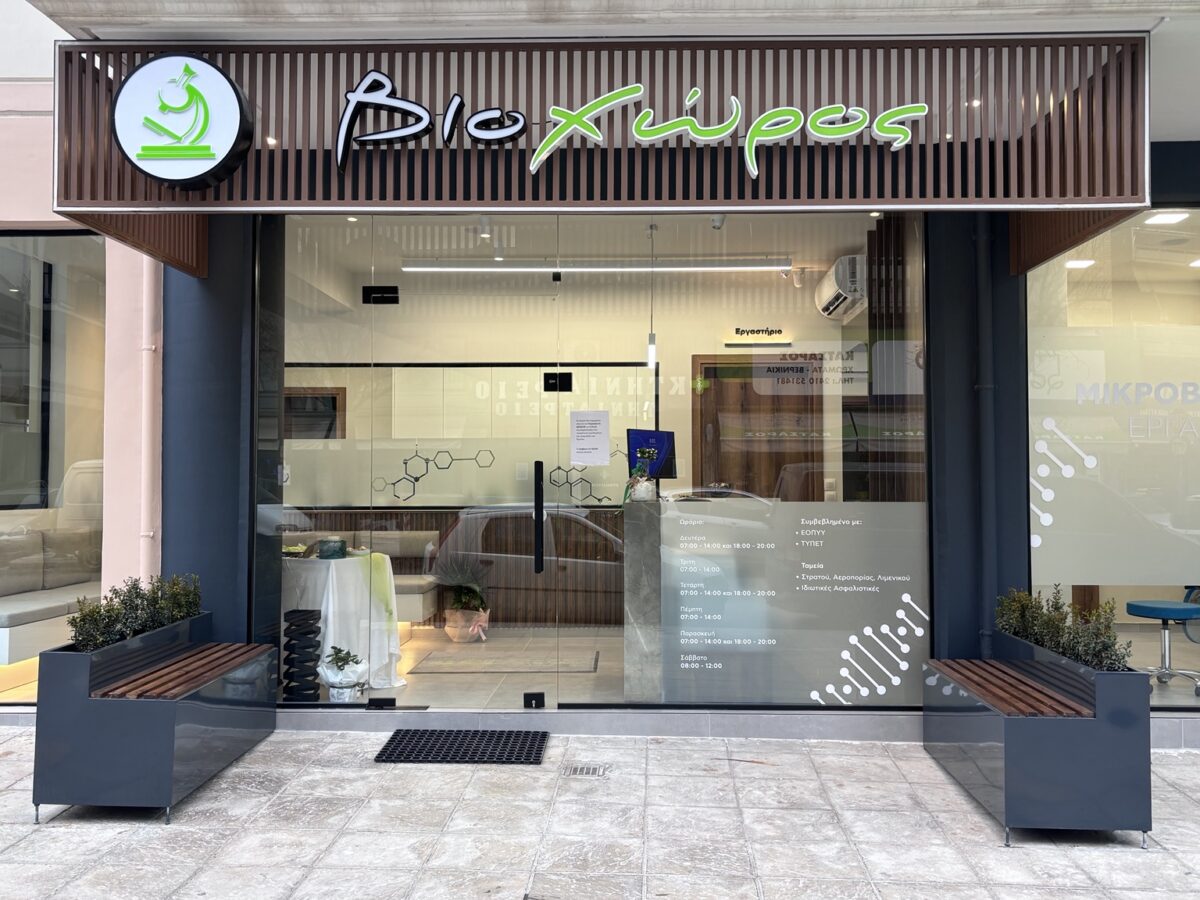
Karathanou 59, 41222 Larissa